
Meet the New Additions to the Homestead
When I moved in with James, he already had goats — specifically Boer goats. Which we named Midnight & Bella.
They were full grown and he raised them specifically for meat. Goat meat is actually surprisingly tasty & very nutritious for you.
Honestly? They were great goats. But, as the kids got more involved with chores and daily care, it became clear pretty quickly that while nothing was unsafe, the Boers were just big. Too big for little hands to confidently help with on their own. They were strong, heavy, and a little rough in that “large livestock” way — not aggressive, just not kid-friendly for hands-on learning.
At the same time, we started talking more about what we wanted our homestead to look like long-term.
Yes, meat goats absolutely have their place (and they taste amazing). But we realized together that we didn’t want to stay locked into only meat goats. We wanted something that fit our family better right now — especially with kids who want to be involved every single day.
So together, we decided to make the switch.
Meet the New Goats
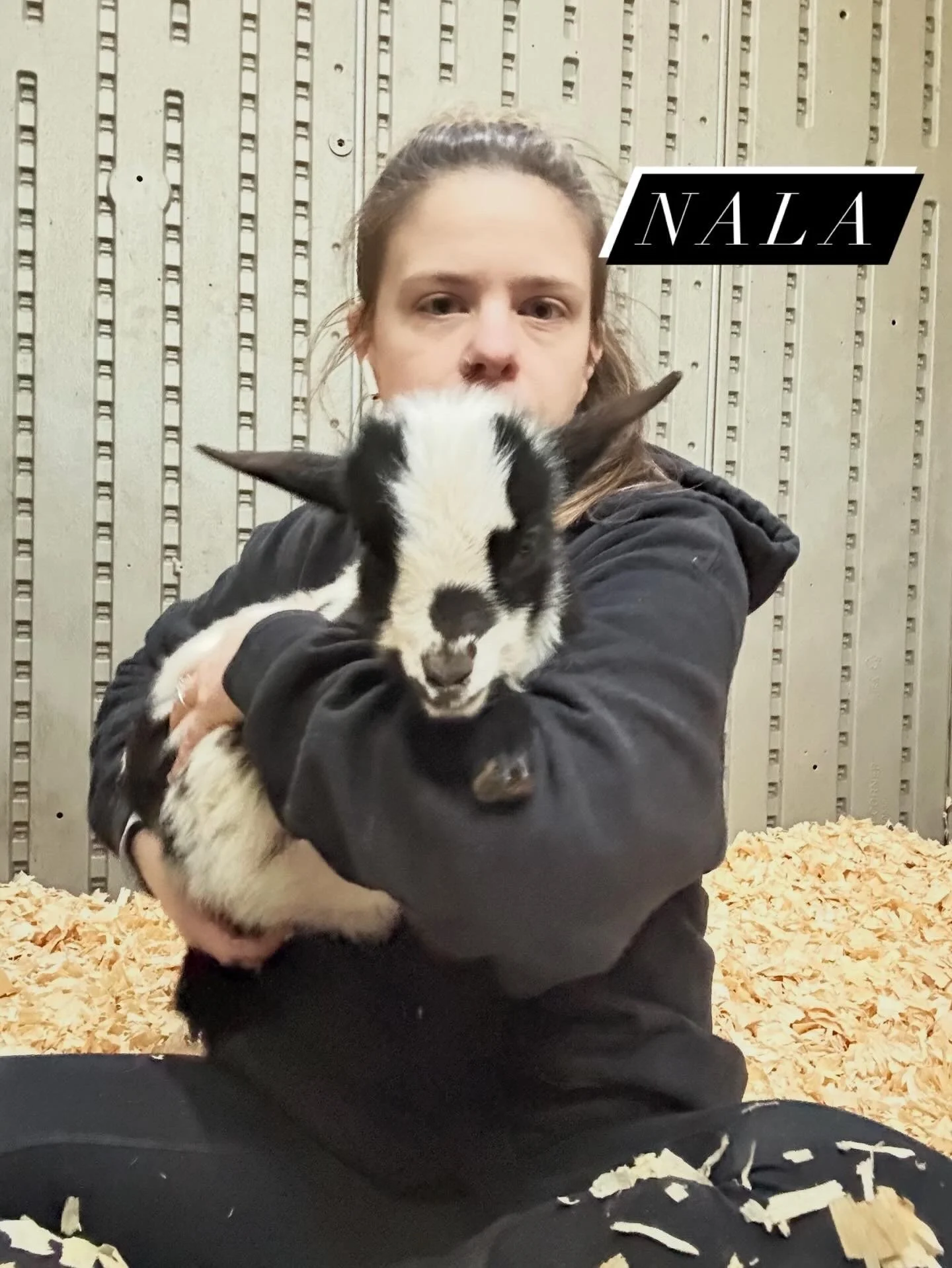
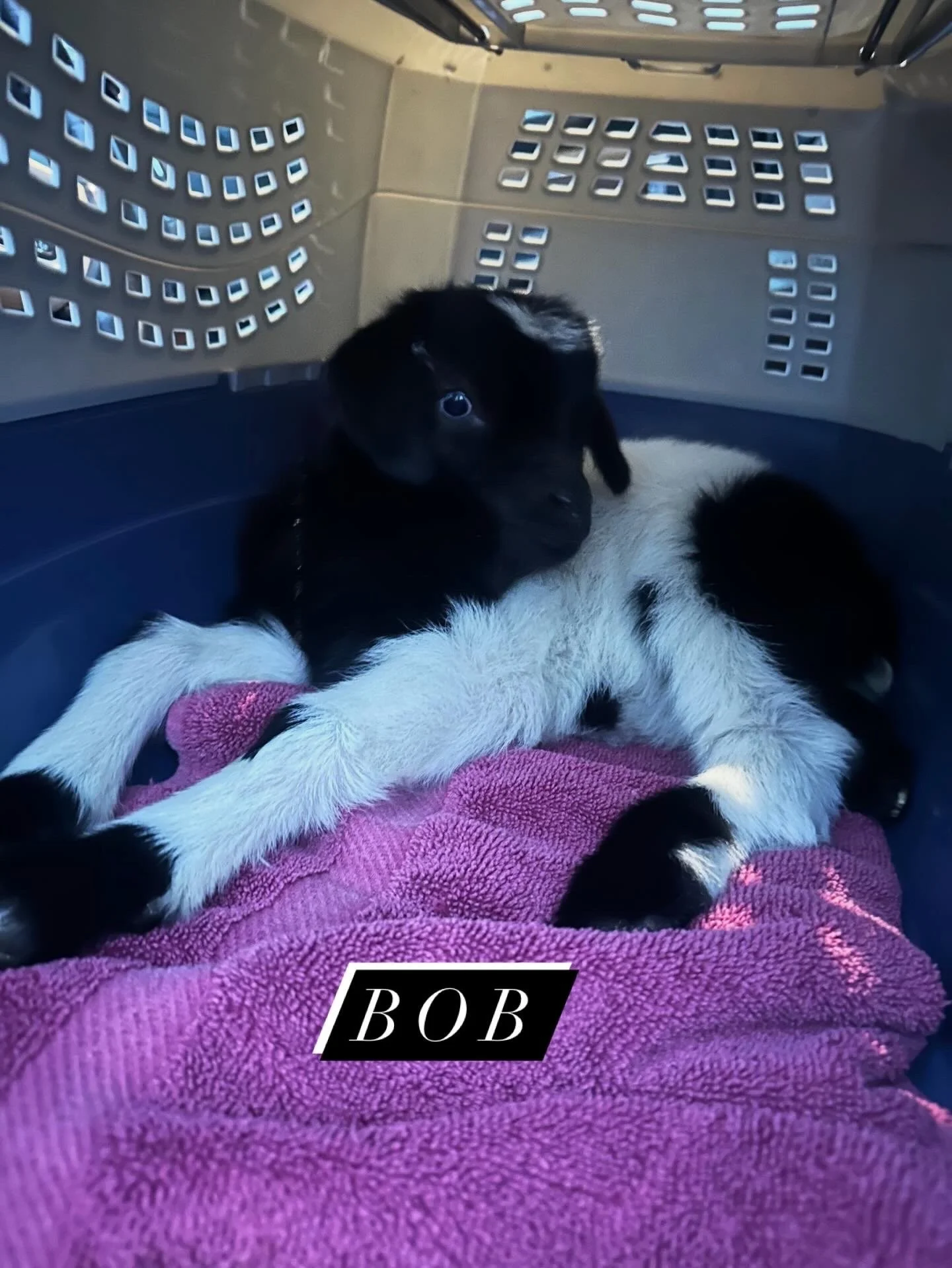
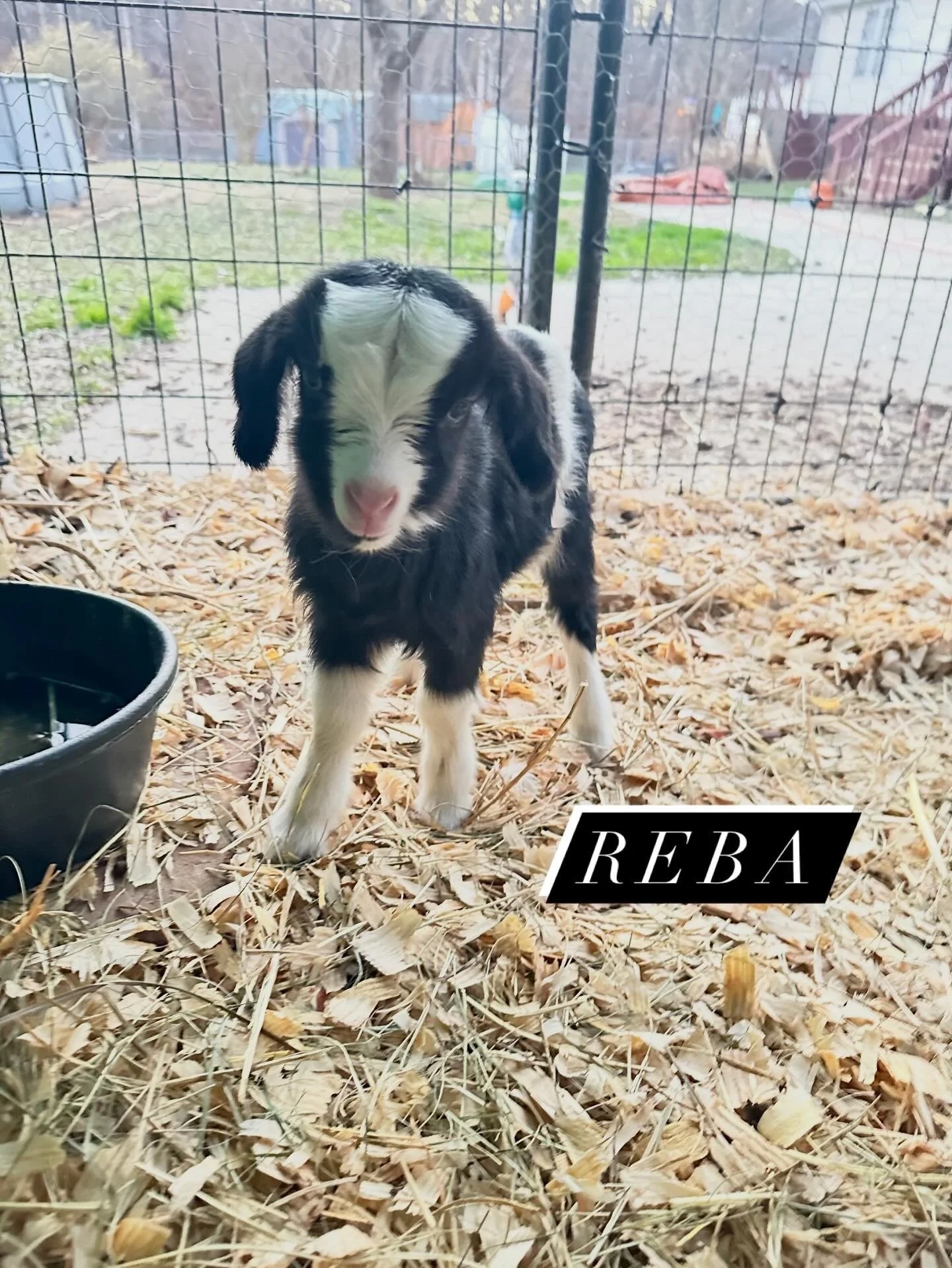
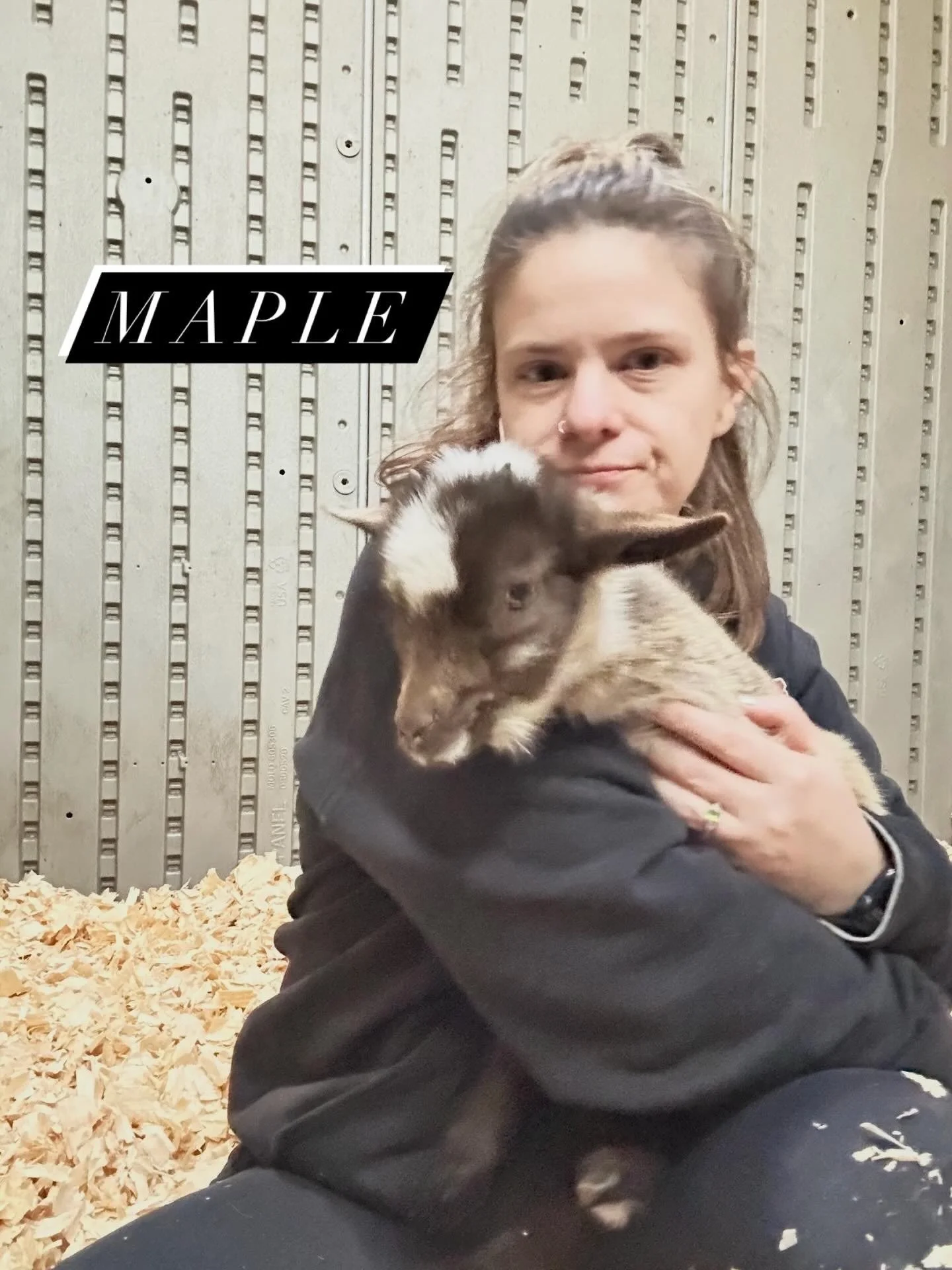
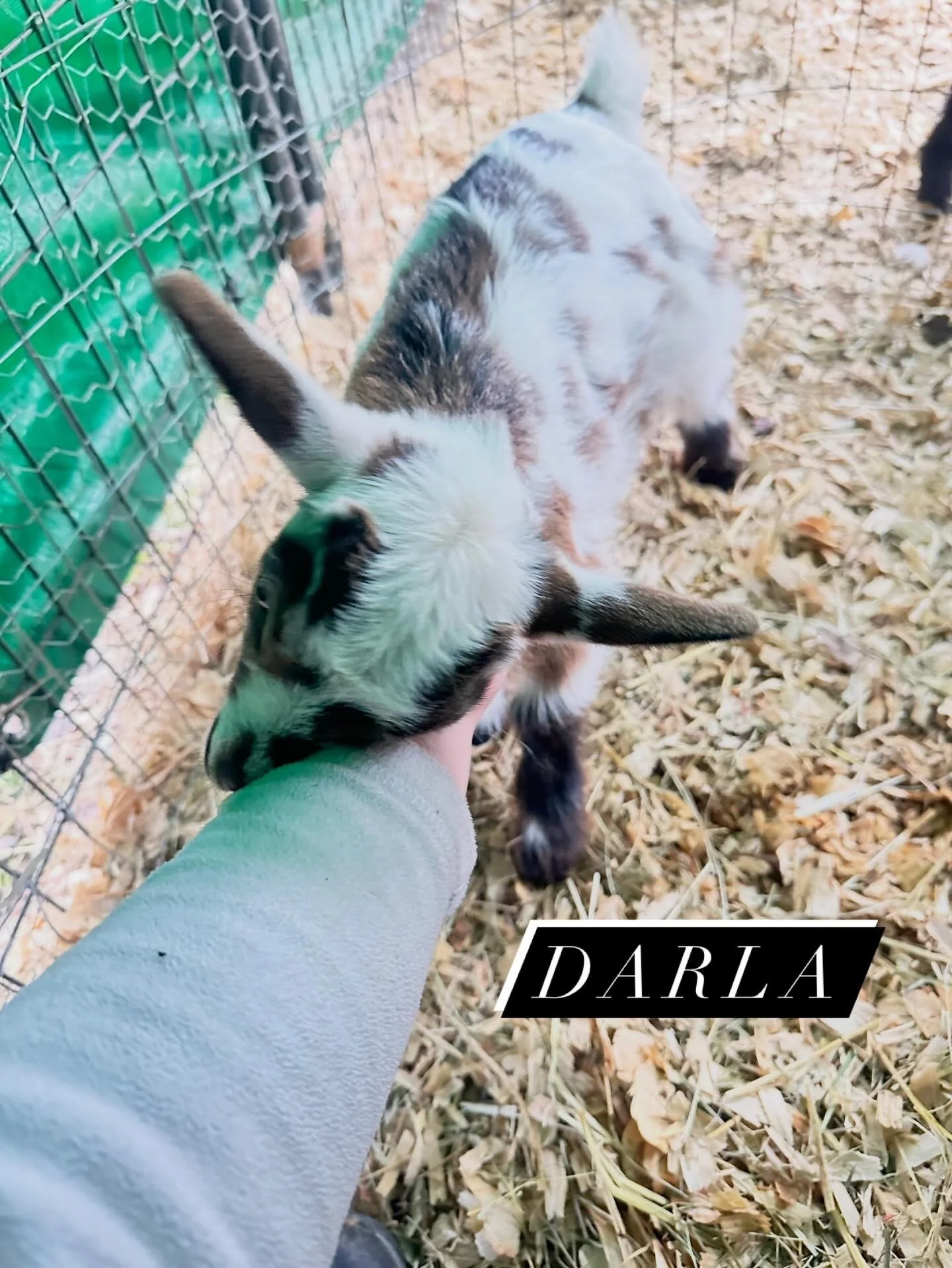
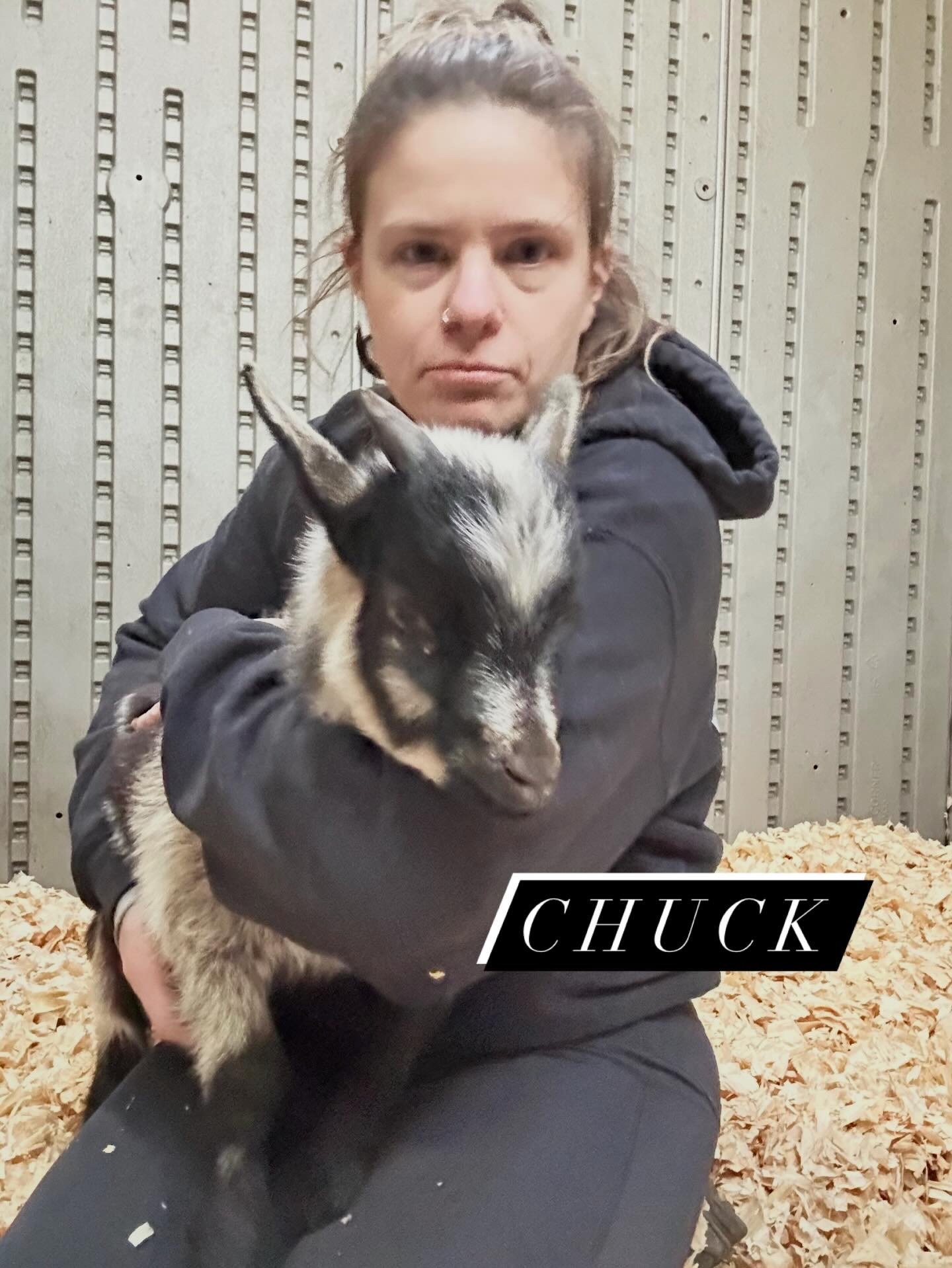
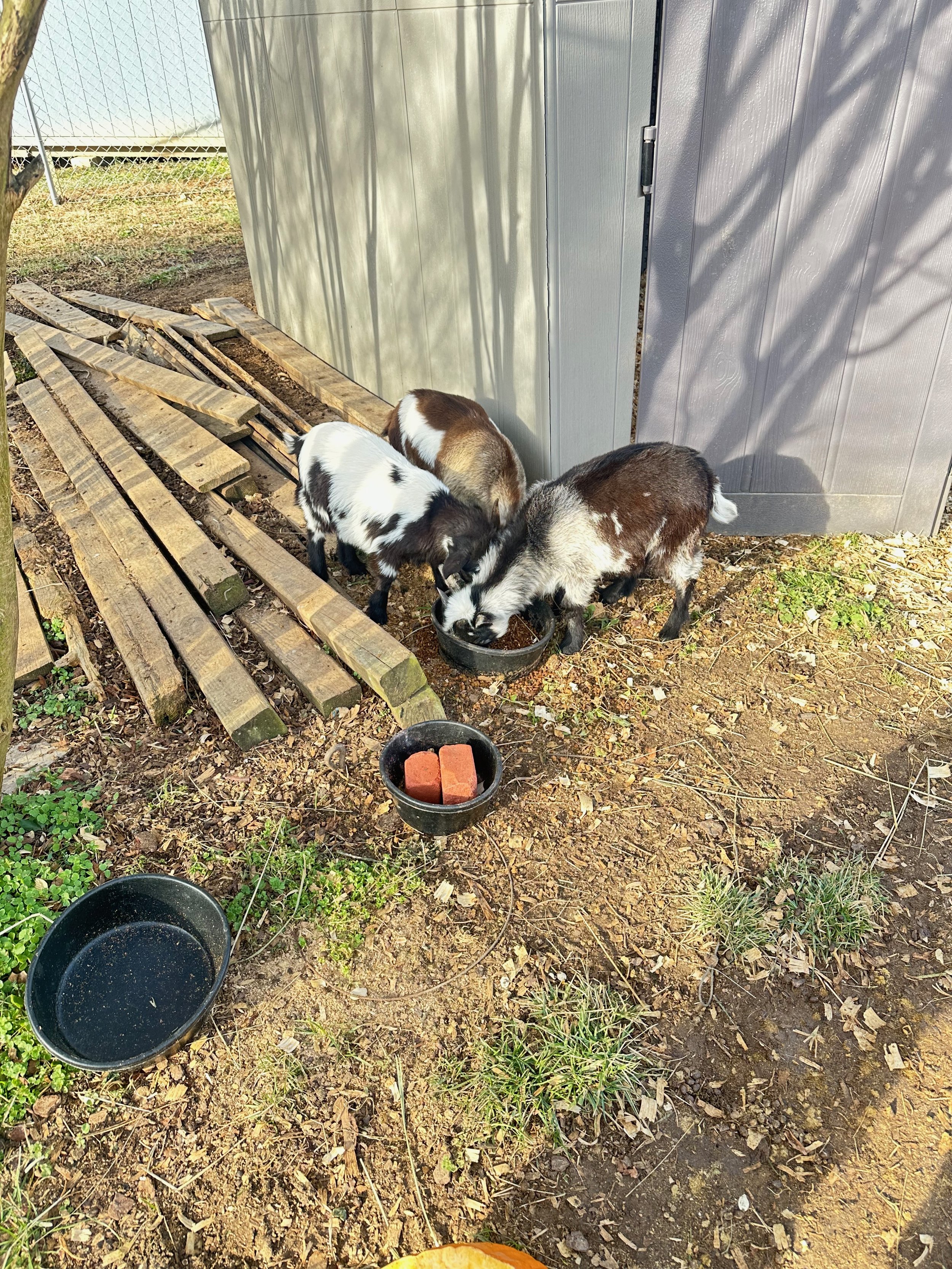
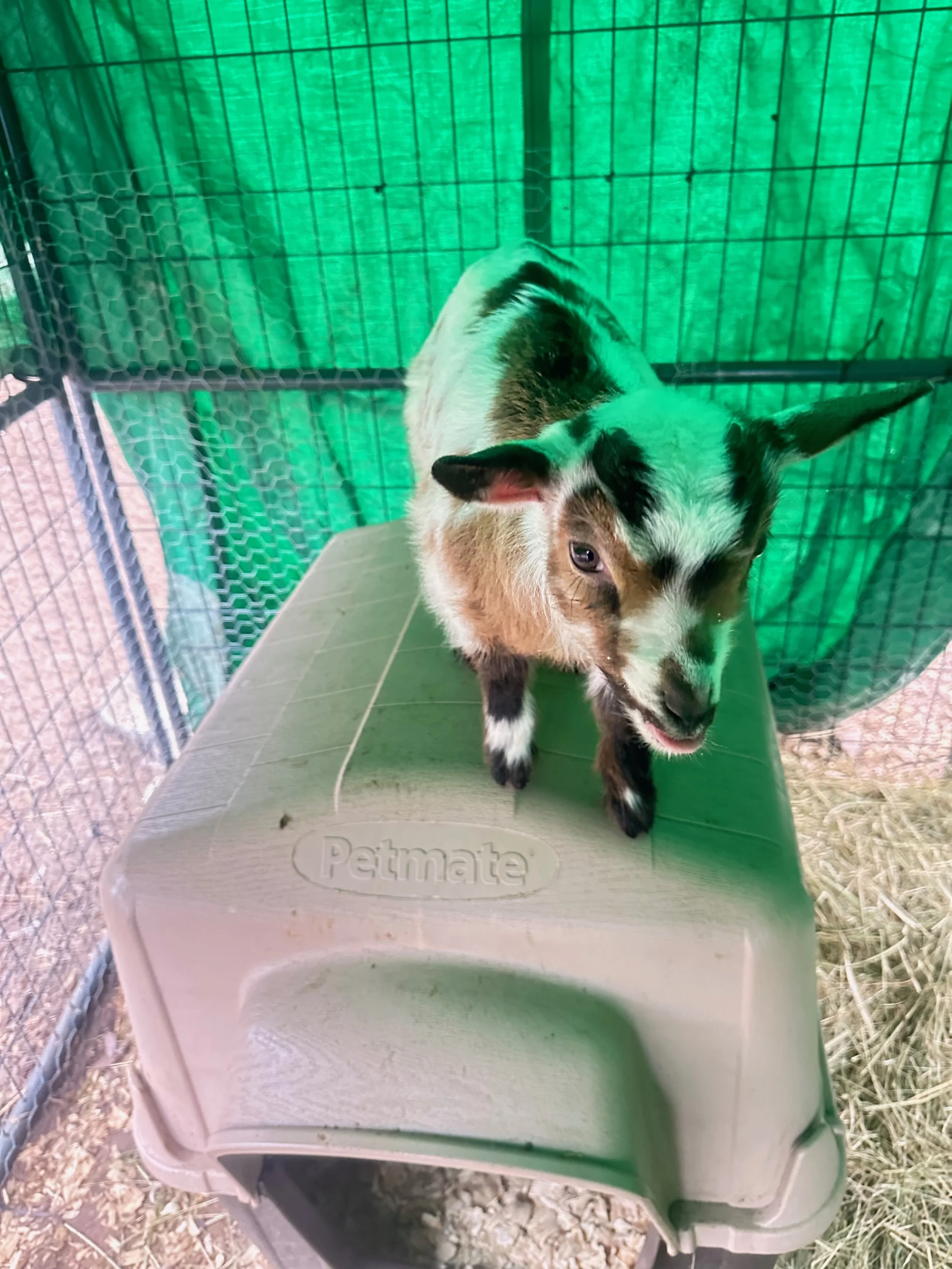
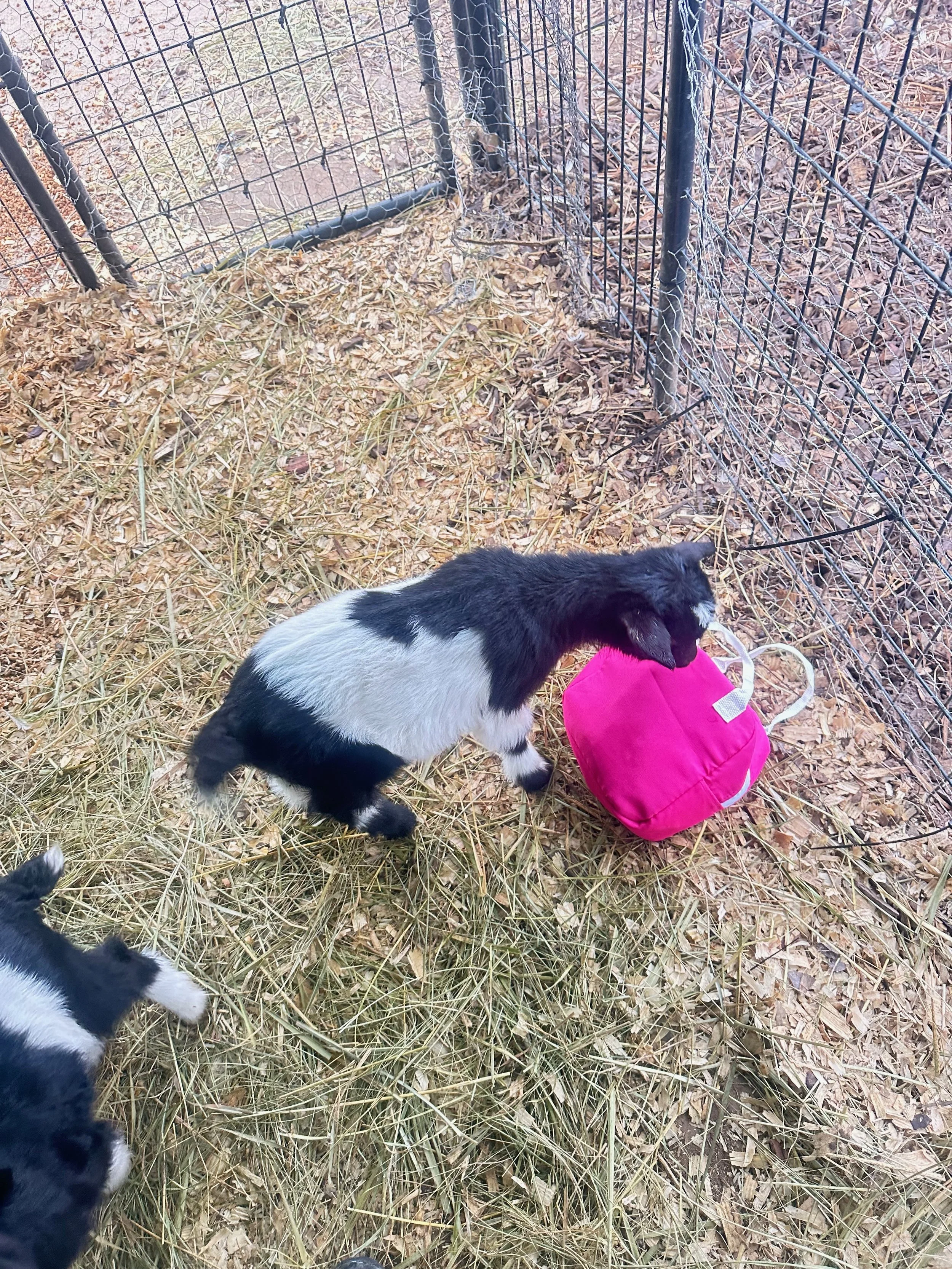
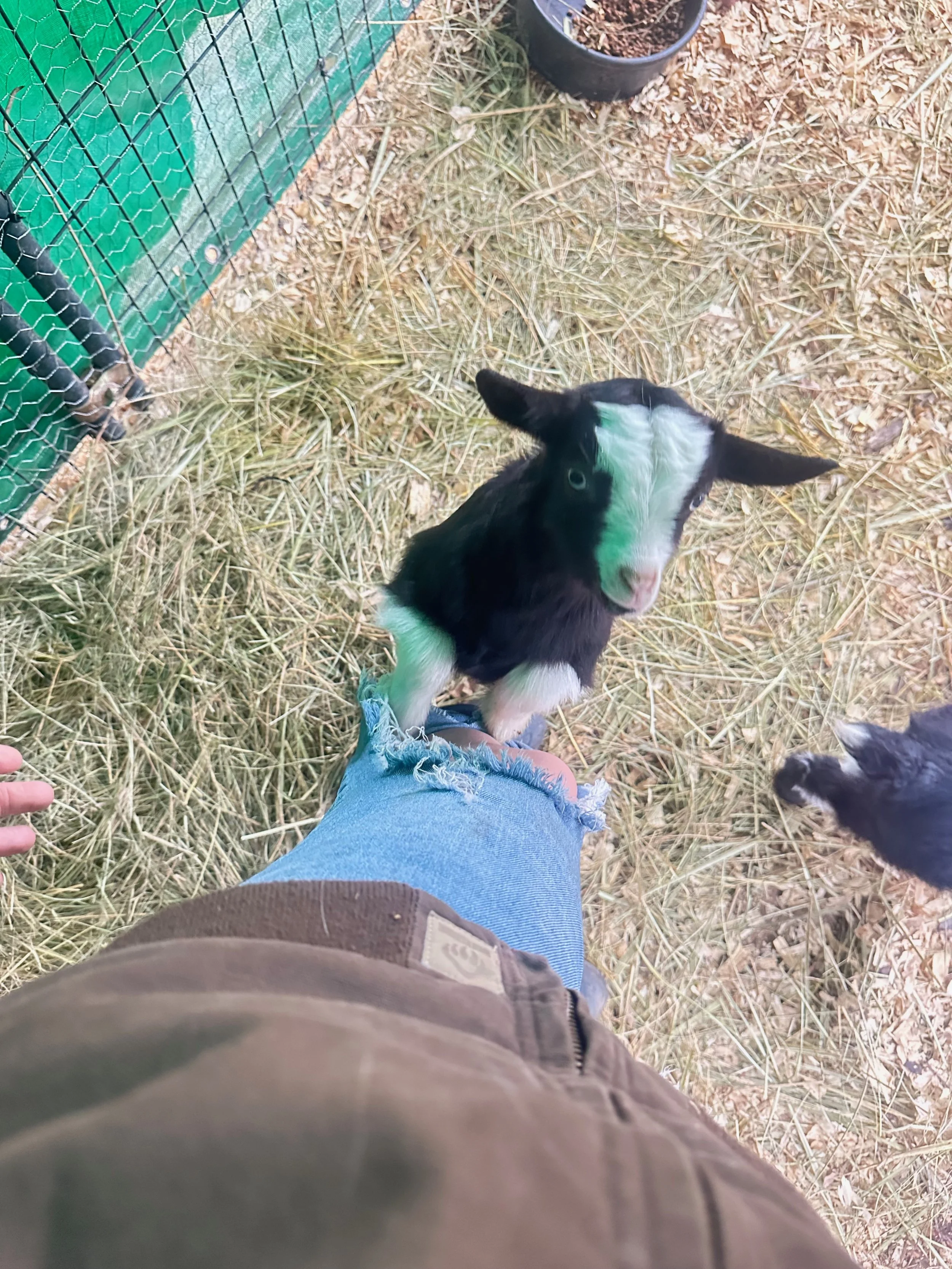
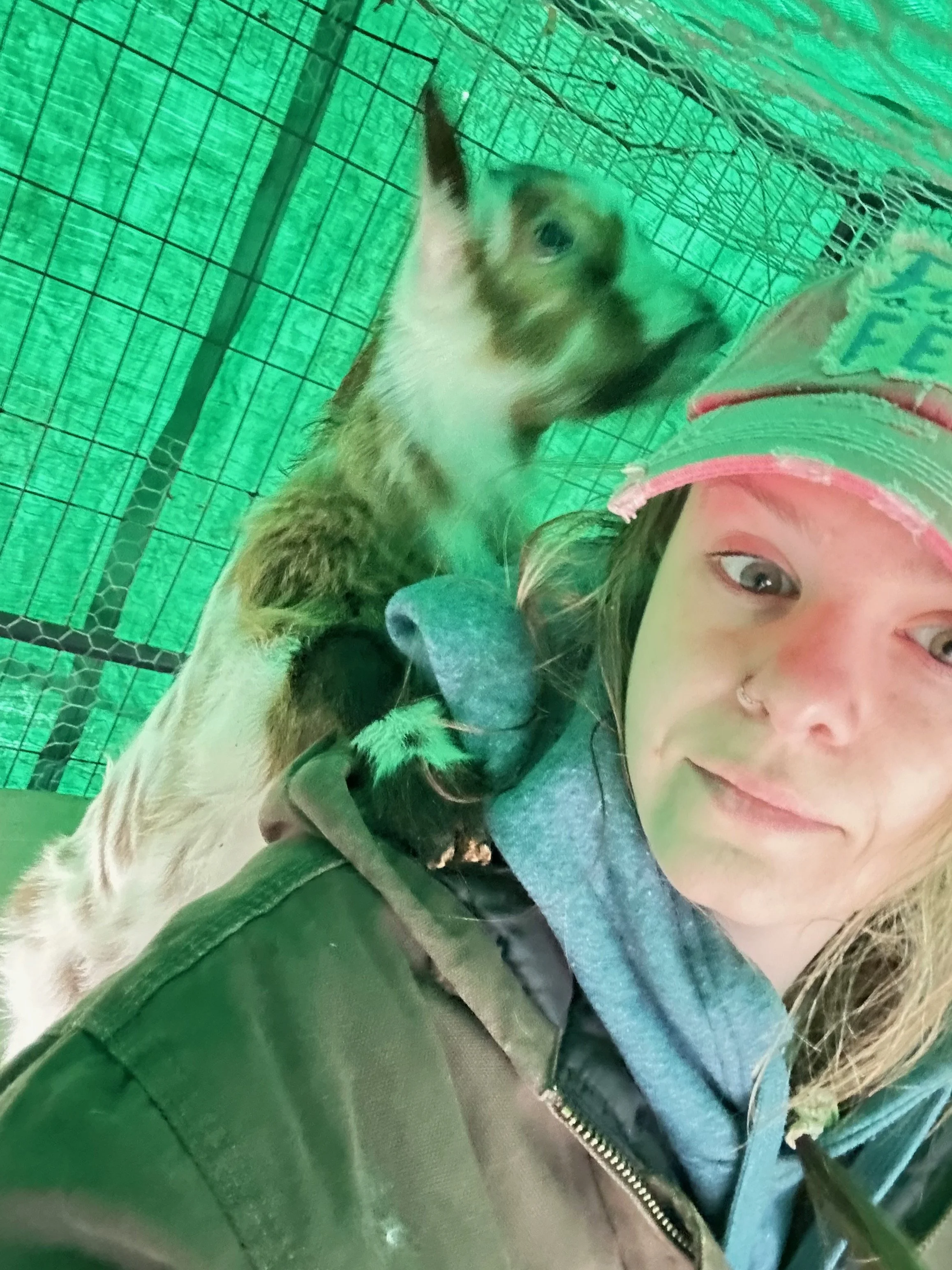
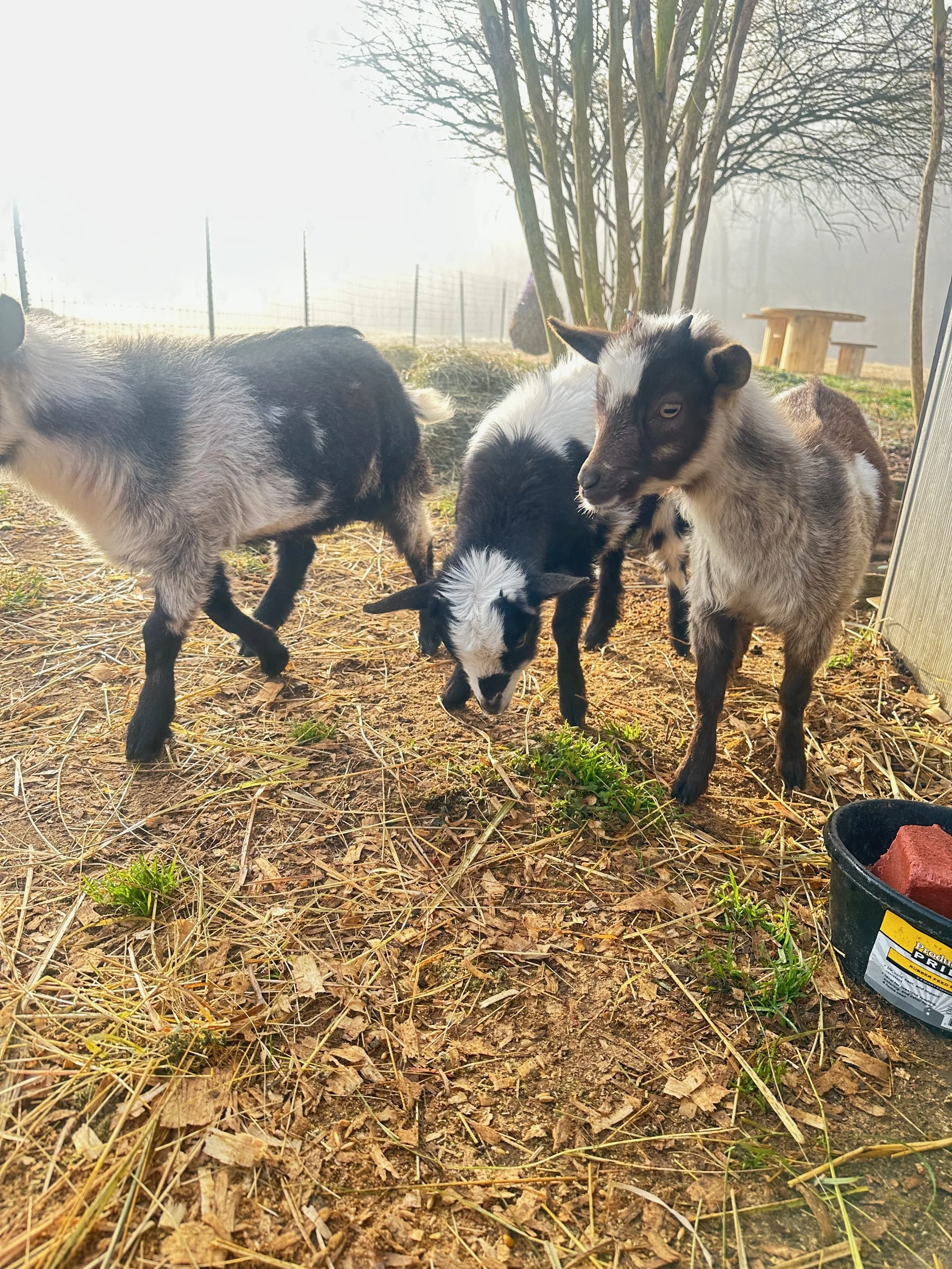
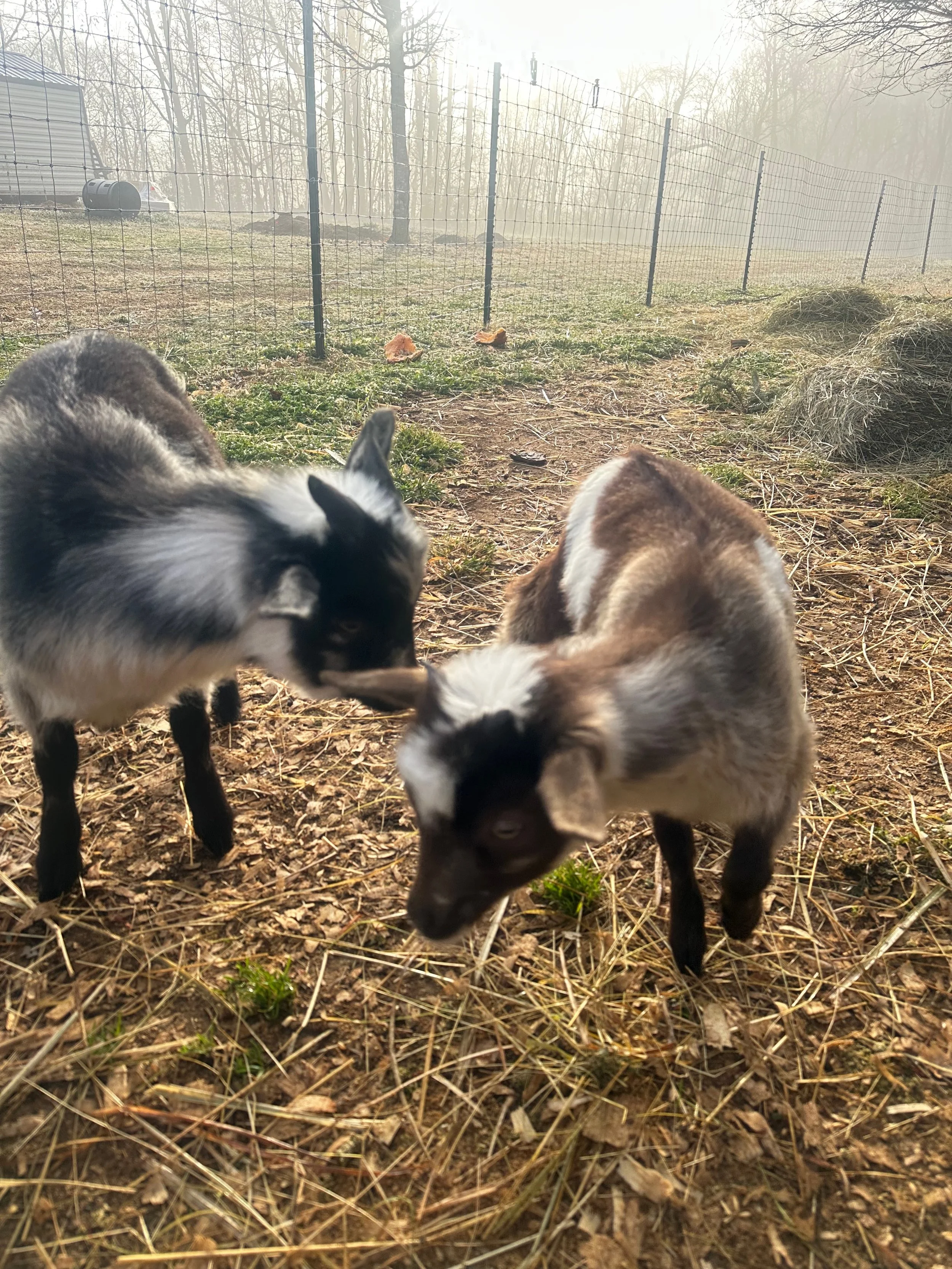
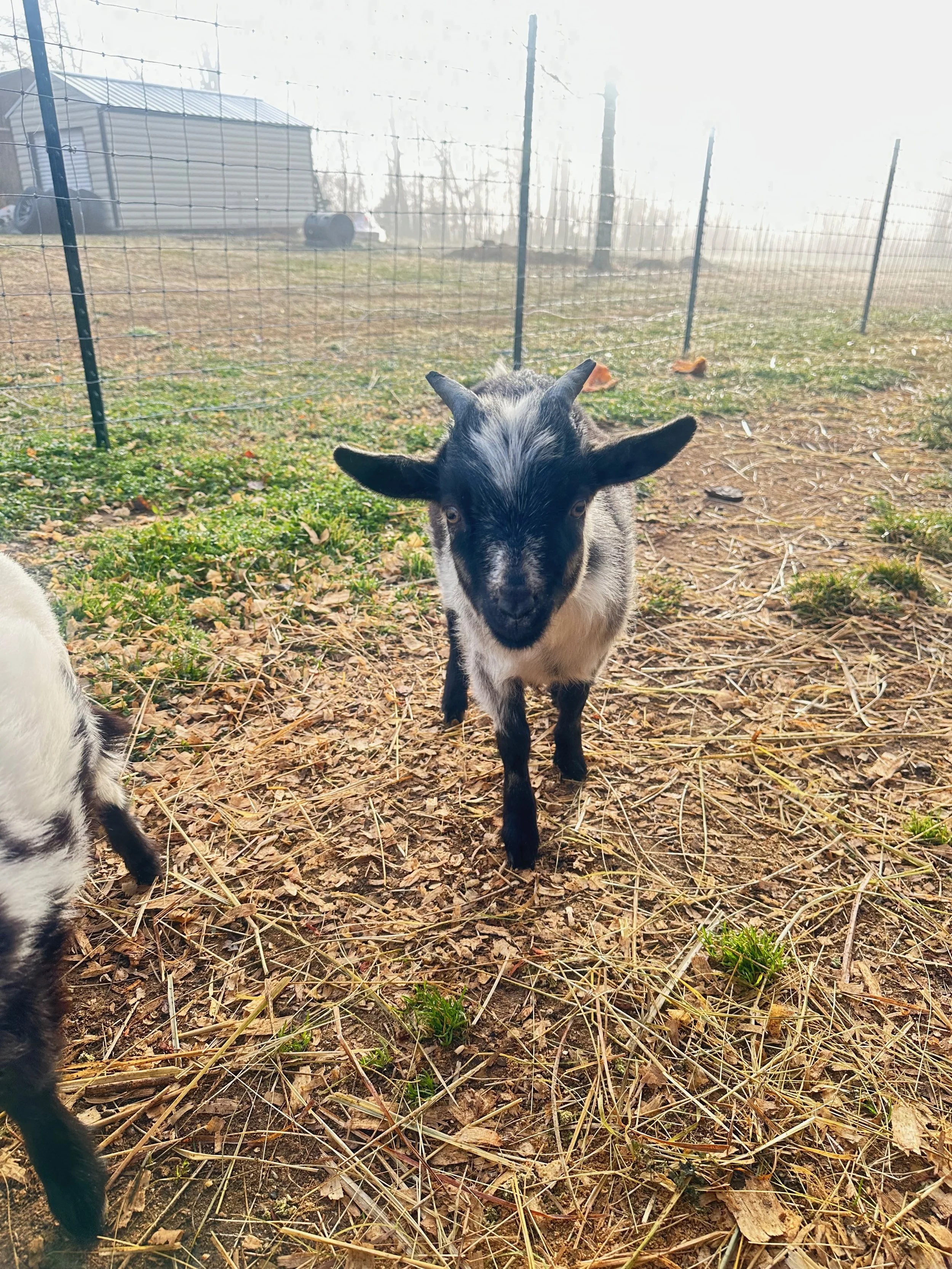
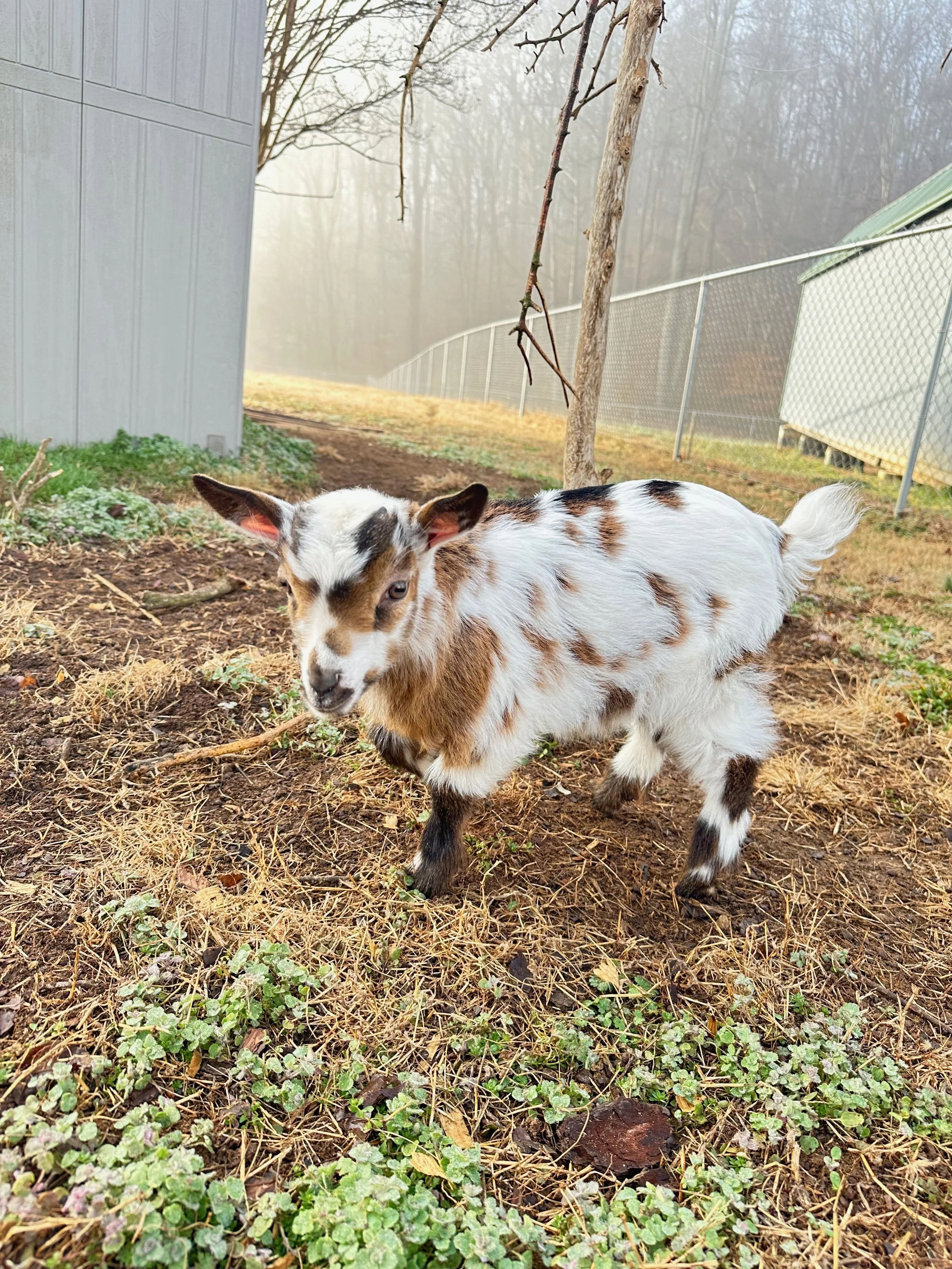
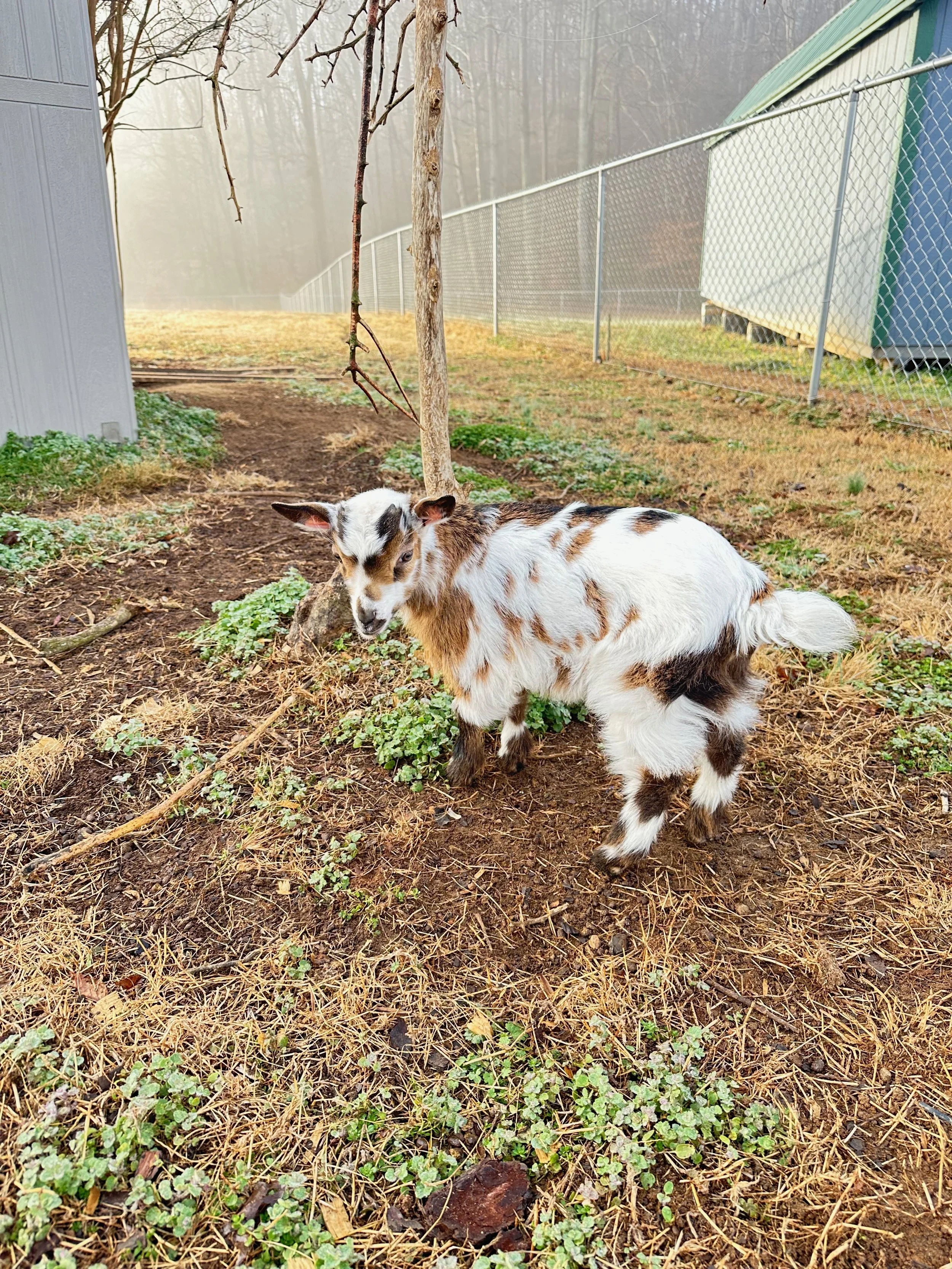
We now have four Nigerian Dwarf goats and two Silkie / fainting goat crosses — and yes, the fainting crosses have blue eyes, which I am completely obsessed with.
This switch also means we’re moving toward milk goats, which is brand new territory for me. I haven’t done dairy goats before, so when that season comes, I’ll be doing a lot more research and learning before we ever get there.
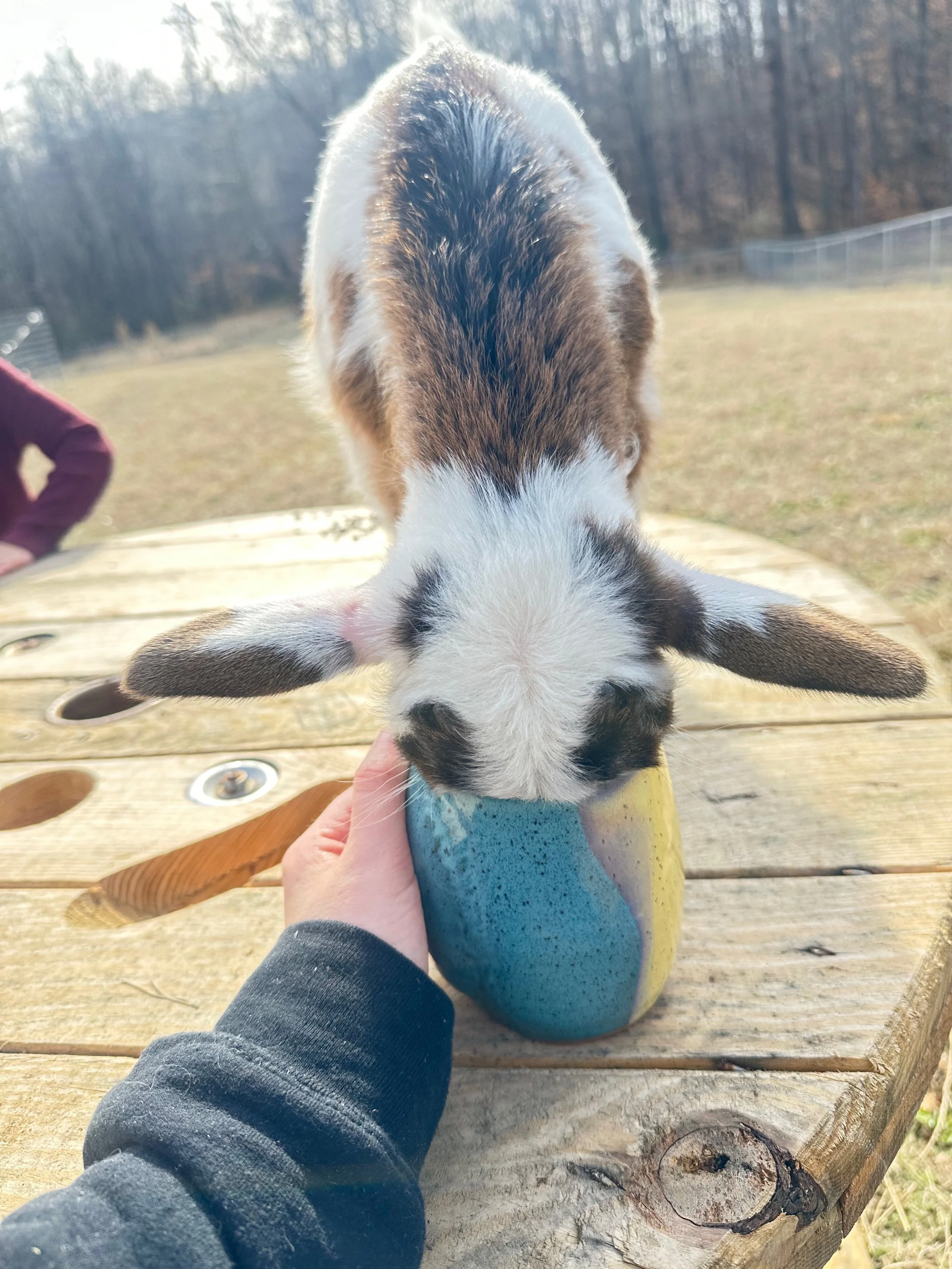
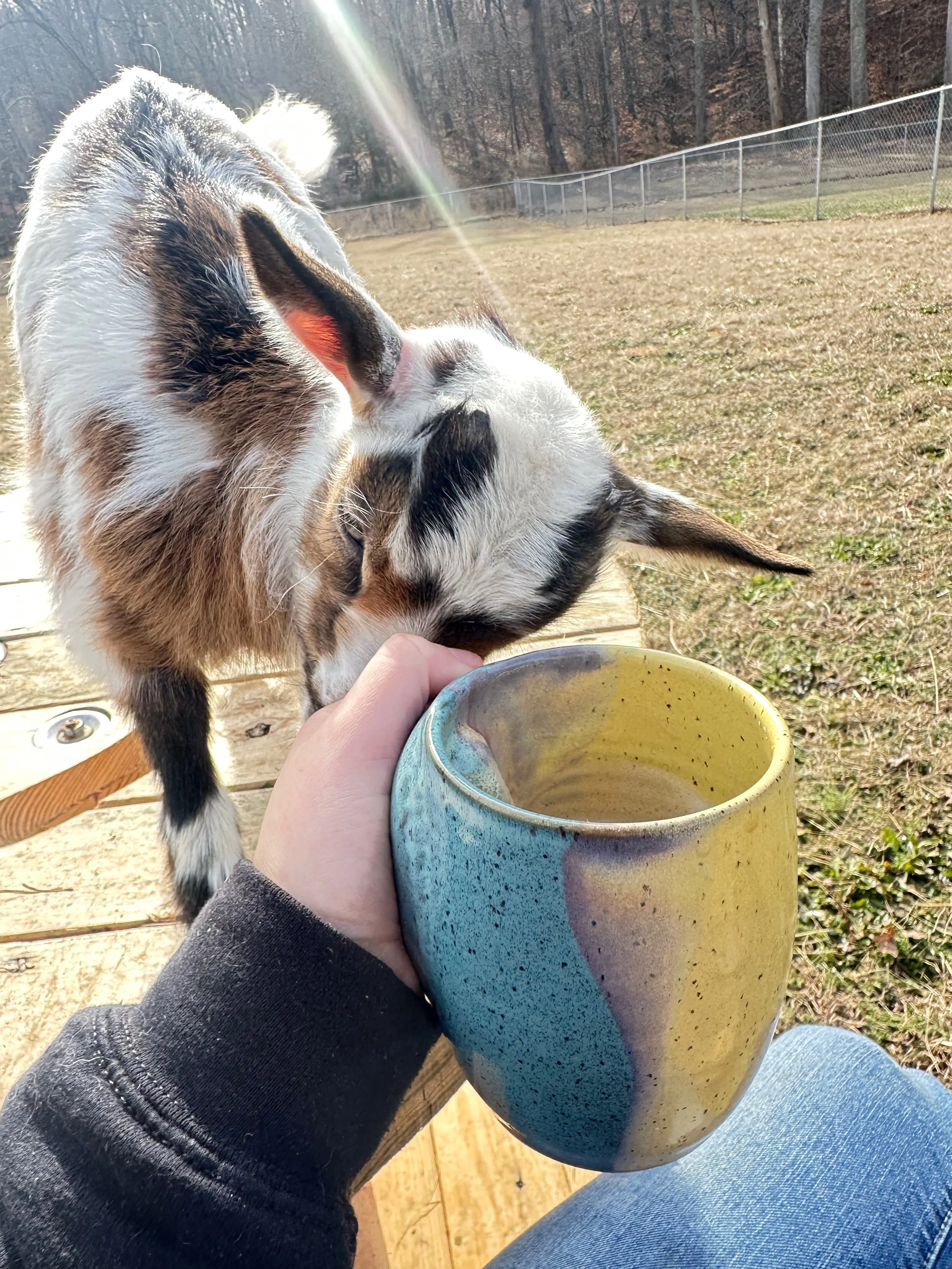
Right now, we have two bottle babies, and we’re just starting the weaning process with them, we just fully weaned one.
Side note that I wish someone had emphasized louder:
Goat milk replacer is not cheap.
If you’re thinking about bottle babies, do your research first — cost, time, and commitment all add up fast.
They’re adorable. They’re sweet. And they are very demanding.
What the Kids Are Learning (Without Realizing It)
One of the biggest reasons this switch already feels right is how naturally the kids have stepped into helping.
They’ve learned how to:
Bottle feed the babies
Help with daily goat chores
Pay attention to animal needs and routines
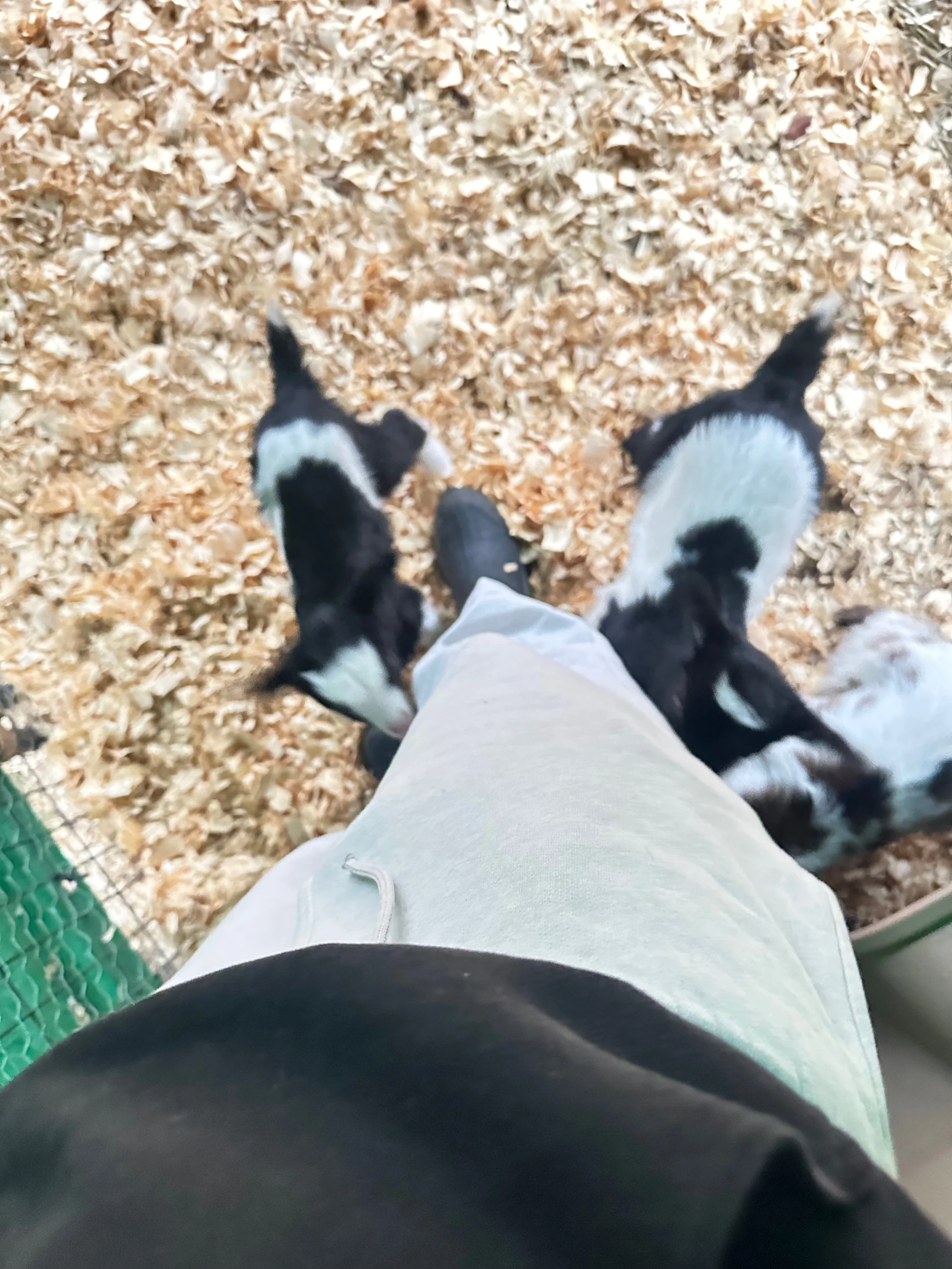
Work together when three hungry babies all want bottles at the same time.
Occasionally they’ll help with bottle feeding, which is honestly a lifesaver — because trying to feed three bottle babies with only two hands was chaos. Absolute chaos!!
Note to self for the future: get a bottle stand next time.
This kind of learning doesn’t feel like school, but it absolutely is. Responsibility, patience, consistency, teamwork — all happening in real life, not at a table.
A Few Goat Things I Didn’t Fully Expect
Even when you’ve done animals before, goats will humble you.
A few things we’re learning:
Nigerian Dwarfs are escape artists. If there’s a weak spot in the fence, they will find it.
Bottle babies are sweet… and very loud when they’re hungry.
Smaller goats still require just as much consistency and daily care.
Goats are way smarter than people give them credit for — sometimes inconveniently so.
This season has reminded me (again) that homesteading is a lot of learning as you go. You don’t have to get it all right the first time. You’re allowed to change things when something no longer fits.
Doing What Fits Your Family
Switching from Boer goats to Nigerian Dwarfs wasn’t about doing things “better.”
It was about doing things better for our family — for this season, with these kids, and the kind of homestead life we’re building together.
Just like homeschooling, this journey isn’t rigid. We learn. We adjust. We pivot when needed. And we give ourselves grace when things look different than we originally planned.
And honestly? That flexibility is one of the best parts.
Hop over to insta & post your funny goat stories if you have them!!!